
 Canadian Dollars
 US Dollar
Are Current EMF Exposure Limits Scientifically Protective?
Are Current EMF Exposure Limits Scientifically Protective?
Regulatory and public-health agencies, including Health Canada and the World Health Organization, assess electromagnetic-field exposure primarily by comparing measured field strengths with established exposure limits. These limits are intended to protect against confirmed adverse effects, particularly tissue heating from radiofrequency fields and nerve or muscle stimulation from lower-frequency fields.
When EMF Exposure May Be Unsafe
Electromagnetic fields can become hazardous when exposure levels exceed scientifically established safety thresholds. The biological effect depends on frequency, intensity, duration, distance from the source, and the part of the body exposed. High-intensity radiofrequency fields may increase tissue temperature, while strong low-frequency fields may induce electrical currents in the body that can stimulate nerves or muscles.
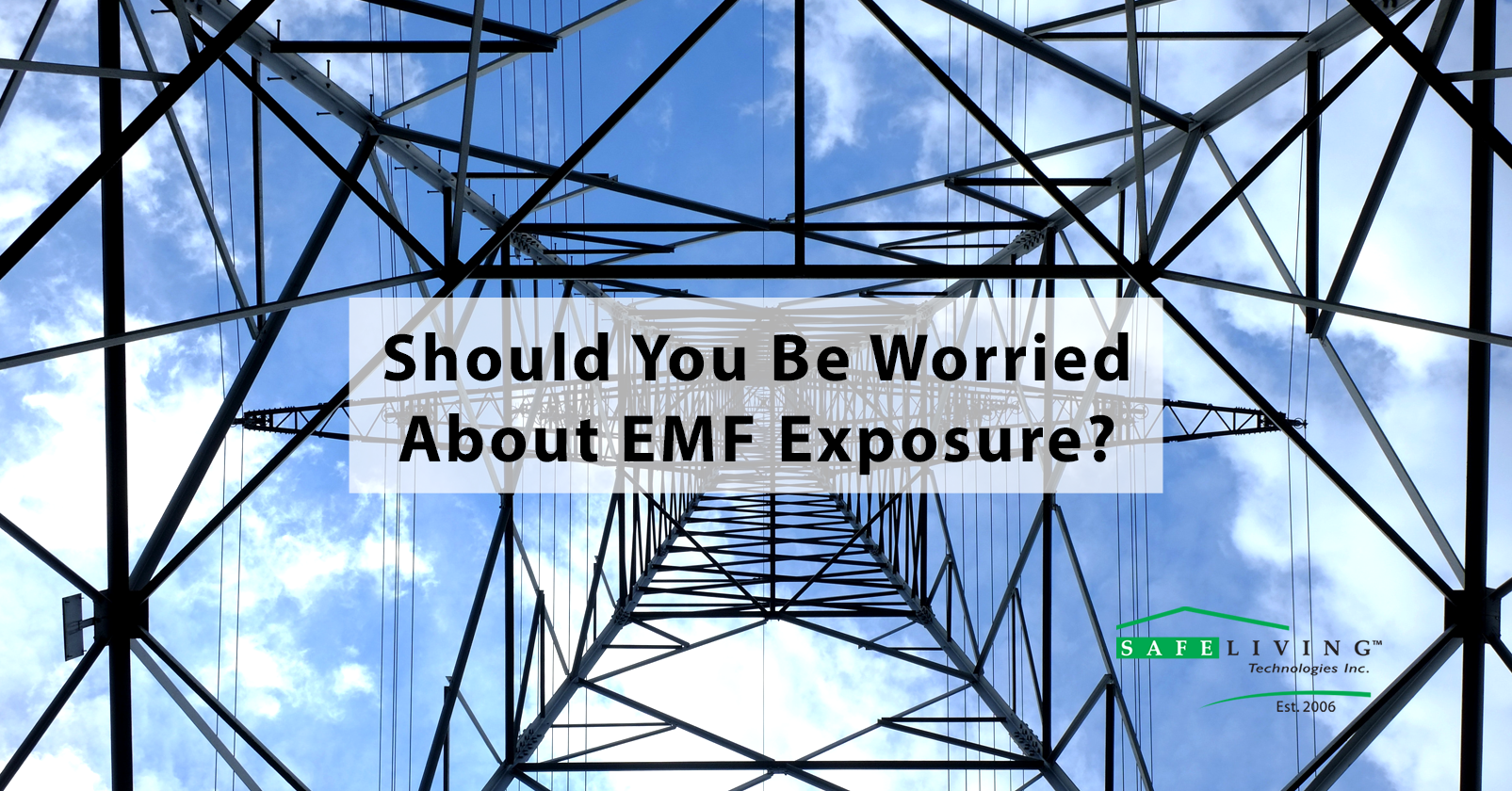
Potential concern is greatest near high-power transmitters, industrial radiofrequency equipment, improperly shielded electrical systems, or occupational environments where exposure may be sustained and elevated. Certain implanted medical devices may also be susceptible to electromagnetic interference, depending on field strength, frequency, and device design.
Understanding EMF Exposure Levels
- Non-ionizing radiation: Wi-Fi, mobile phones, Bluetooth devices, and smart meters emit non-ionizing electromagnetic radiation, which lacks sufficient photon energy to directly ionize atoms or break chemical bonds in DNA.
- Field strength decreases with distance: Exposure generally declines rapidly as distance from the emitting source increases, particularly for localized devices used close to the body.
- Exposure limits: Most consumer devices are designed to operate below national exposure limits, but exposure assessment still depends on device power, duration of use, distance, and environmental conditions.
Simple Ways to Reduce EMF Exposure
- Increase separation distance: Use speaker mode, wired accessories, or hands-free options to reduce localized exposure from devices held close to the head or body.
- Optimize source placement: Position wireless routers and other continuous transmitters away from sleeping areas and locations where prolonged stationary exposure occurs.
- Reduce unnecessary exposure time: Turn off or disconnect devices that emit electromagnetic fields when they are not needed, particularly in areas used for rest or extended work.
For a more complete exposure assessment, measurements can be taken near specific sources such as wireless routers, smart meters, electrical panels, appliances, and nearby transmission infrastructure.
Safe and Sound Meters can help measure and identify EMF pollution in your home or business.
Posted by SLT